
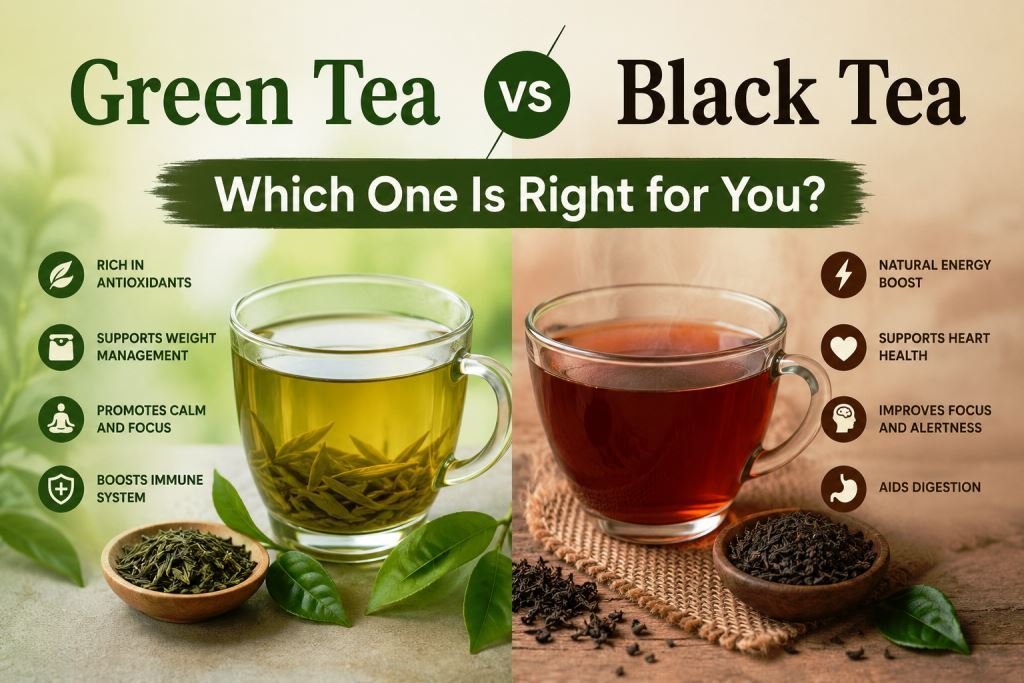
Green Tea vs Black Tea: Which One Is Right for You?
Published on Gelassen.in | Wellness & Mindful Living
There’s something quietly powerful about holding a warm cup of tea. It slows you down, makes you pause — and in a world that rarely stops, that matters. But with so many teas to choose from, one question keeps coming up in our community:
Should I be drinking green tea or black tea?
The answer isn’t as simple as “one is better.” Both have their strengths, their rituals, and their place in a mindful lifestyle. Let’s explore what makes each tea unique — and help you figure out which one belongs in your morning (or evening) routine.
What Is Green Tea?
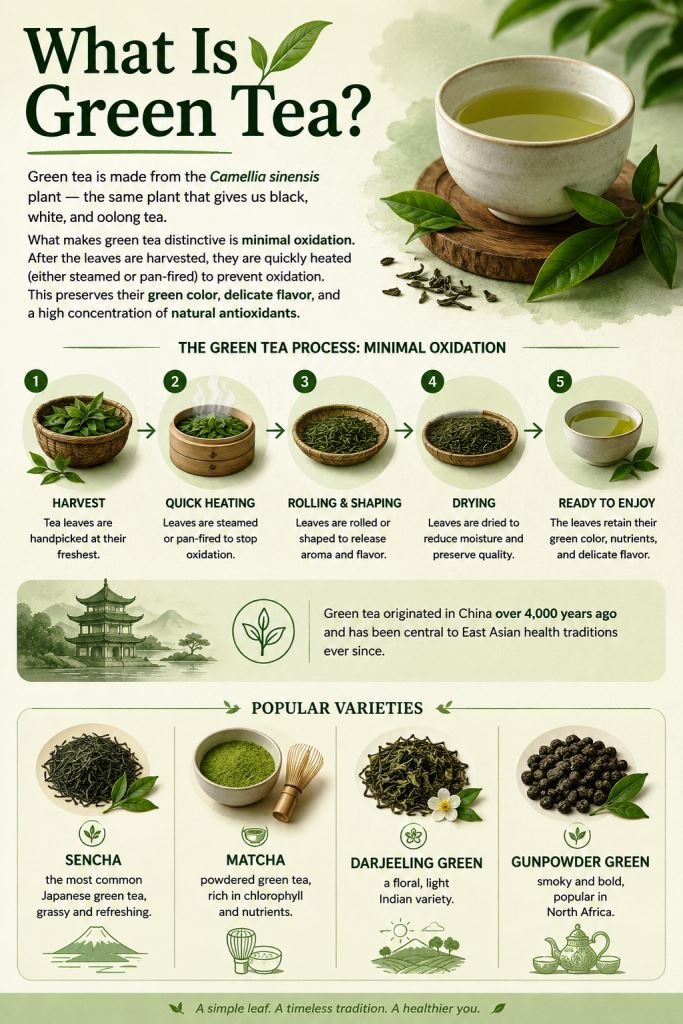
Green tea is made from the Camellia sinensis plant — the same plant that gives us black, white, and oolong tea. What makes green tea distinctive is minimal oxidation. After the leaves are harvested, they are quickly heated (either steamed or pan-fired) to prevent oxidation process. This preserves their green color, delicate flavor, and a high concentration of natural antioxidants.
Green tea originated in China over 4,000 years ago and has been central to East Asian health traditions ever since. Popular varieties include:
- Sencha – the most common Japanese green tea, grassy and refreshing
- Matcha – powdered green tea, rich in chlorophyll and nutrients
- Darjeeling Green – a floral, light Indian variety
- Gunpowder Green – smoky and bold, popular in North Africa
What Is Black Tea?
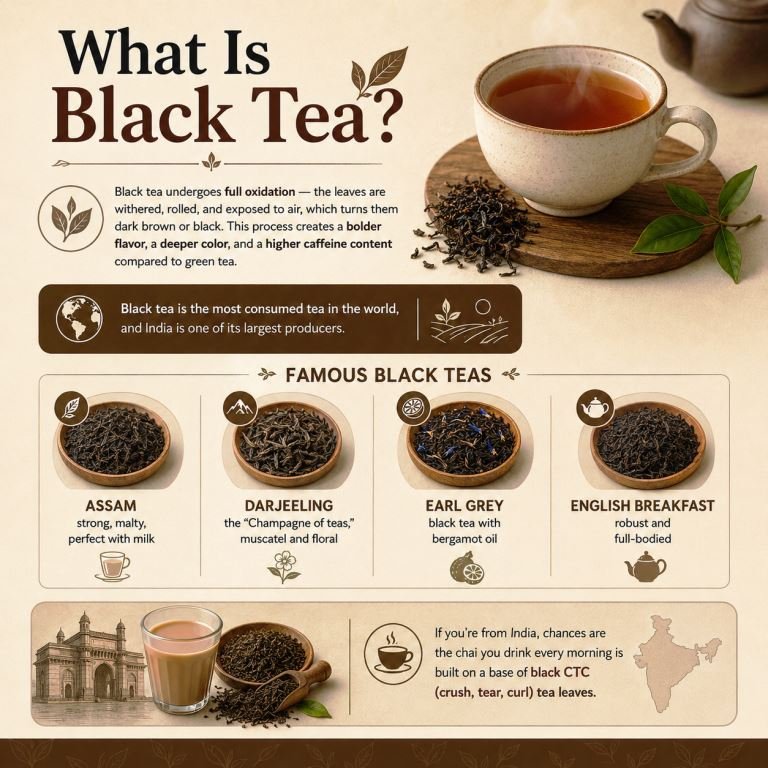
Black tea undergoes full oxidation — the leaves are withered, rolled, and exposed to air, which turns them dark brown or black. This process creates a bolder flavor, a deeper color, and a higher caffeine content compared to green tea.
Black tea is the most consumed tea in the world, and India is one of its largest producers. Famous black teas include:
- Assam – strong, malty, perfect with milk
- Darjeeling – the “Champagne of teas,” muscatel and floral
- Earl Grey – black tea with bergamot oil
- English Breakfast – robust and full-bodied
If you’re from India, chances are the chai you drink every morning is built on a base of black CTC (crush, tear, curl) tea leaves.
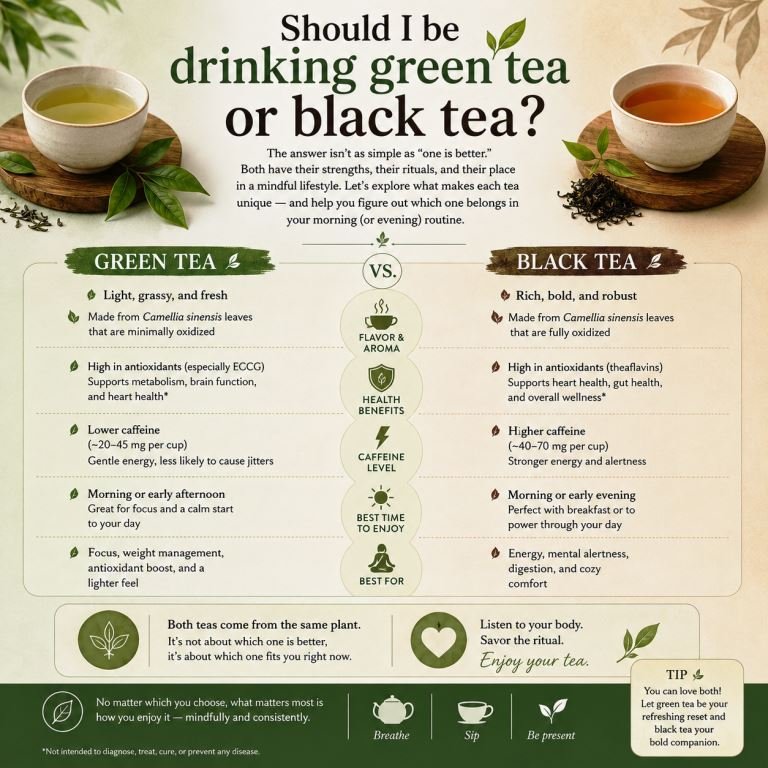
Green Tea vs Black Tea: Key Differences at a Glance
| Feature | Green Tea | Black Tea |
|---|---|---|
| Oxidation Level | Minimal (0–12%) | Full (100%) |
| Caffeine (per cup) | 25–45 mg | 40–70 mg |
| Flavor | Light, grassy, vegetal | Bold, malty, robust |
| Color | Pale yellow to green | Deep amber to dark brown |
| Antioxidants | Very high (EGCG) | High (theaflavins) |
| Best For | Calm focus, weight management | Morning energy, digestion |
| Brewing Temp | 70–80°C | 90–100°C |
| Brew Time | 1–3 minutes | 3–5 minutes |
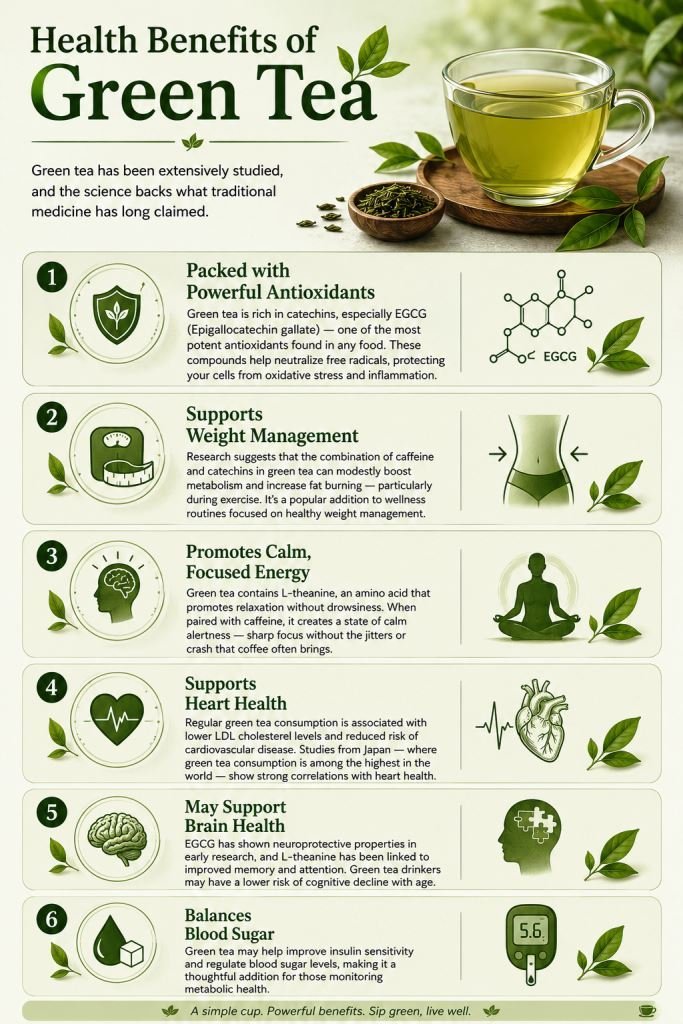
Health Benefits of Green Tea
Green tea has been extensively studied, and the science backs what traditional medicine has long claimed.
1. Packed with Powerful Antioxidants
Green tea is rich in catechins, especially EGCG (Epigallocatechin gallate) — one of the most potent antioxidants found in any food. These compounds help neutralize free radicals, protecting your cells from oxidative stress and inflammation.
2. Supports Weight Management
Research suggests that the combination of caffeine and catechins in green tea can modestly boost metabolism and increase fat burning — particularly during exercise. It’s a popular addition to wellness routines focused on healthy weight management.
3. Promotes Calm, Focused Energy
Green tea contains L-theanine, an amino acid that promotes relaxation without drowsiness. When paired with caffeine, it creates a state of calm alertness — sharp focus without the jitters or crash that coffee often brings.
4. Supports Heart Health
Regular green tea consumption is associated with lower LDL cholesterol levels and reduced risk of cardiovascular disease. Studies from Japan — where green tea consumption is among the highest in the world — show strong correlations with heart health.
5. May Support Brain Health
EGCG has shown neuroprotective properties in early research, and L-theanine has been linked to improved memory and attention. Green tea drinkers may have a lower risk of cognitive decline with age.
6. Balances Blood Sugar
Green tea may help improve insulin sensitivity and regulate blood sugar levels, making it a thoughtful addition for those monitoring metabolic health.
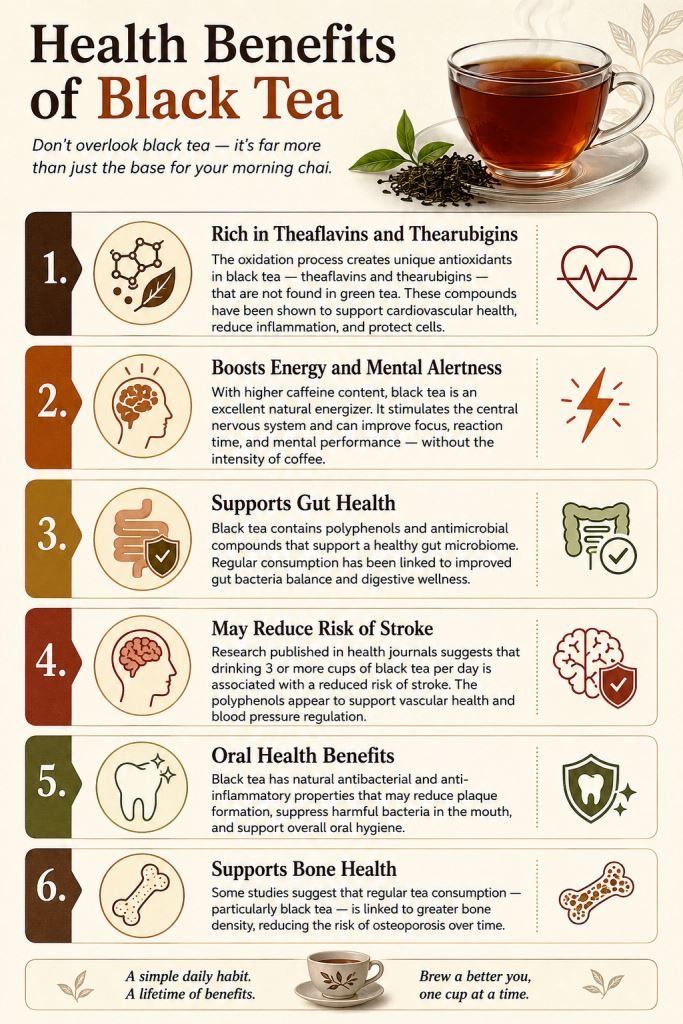
Health Benefits of Black Tea
Don’t overlook black tea — it’s far more than just the base for your morning chai.
1. Rich in Theaflavins and Thearubigins
The oxidation process creates unique antioxidants in black tea — theaflavins and thearubigins — that are not found in green tea. These compounds have been shown to support cardiovascular health, reduce inflammation, and protect cells.
2. Boosts Energy and Mental Alertness
With higher caffeine content, black tea is an excellent natural energizer. It stimulates the central nervous system and can improve focus, reaction time, and mental performance — without the intensity of coffee.
3. Supports Gut Health
Black tea contains polyphenols and antimicrobial compounds that support a healthy gut microbiome. Regular consumption has been linked to improved gut bacteria balance and digestive wellness.
4. May Reduce Risk of Stroke
Research published in health journals suggests that drinking 3 or more cups of black tea per day is associated with a reduced risk of stroke. The polyphenols appear to support vascular health and blood pressure regulation.
5. Oral Health Benefits
Black tea has natural antibacterial and anti-inflammatory properties that may reduce plaque formation, suppress harmful bacteria in the mouth, and support overall oral hygiene.
6. Supports Bone Health
Some studies suggest that regular tea consumption — particularly black tea — is linked to greater bone density, reducing the risk of osteoporosis over time.
Which Tea Has More Caffeine?
If caffeine intake matters to you, here’s a simple breakdown:
- Green tea: ~25–45 mg per 8 oz cup
- Black tea: ~40–70 mg per 8 oz cup
- Coffee (for reference): ~80–120 mg per 8 oz cup
Green tea gives you a gentler lift, ideal for sensitive individuals or those who want sustained calm focus. Black tea gives a stronger boost — great for mornings, but best avoided late in the evening if you’re sensitive to caffeine.
Which Tea Is Better for Weight Loss?
Both teas support weight management, but in slightly different ways:
- Green tea has stronger evidence for directly boosting fat metabolism, thanks to EGCG and its thermogenic properties.
- Black tea supports weight management by improving gut health and modulating the gut microbiome — which plays a significant role in how your body processes food and stores fat.
For weight management, green tea (especially matcha) is often the preferred choice, but black tea without sugar and milk is also beneficial.
Which Tea Is Right for You?
Here’s a simple guide to help you choose:
Choose Green Tea if you:
- Want calm, focused energy without jitters
- Are managing weight or blood sugar
- Prefer a lighter, more delicate flavor
- Practice meditation or mindful morning routines
- Are sensitive to caffeine
Choose Black Tea if you:
- Need a stronger morning wake-up
- Enjoy bold, robust flavors
- Want to support gut and digestive health
- Love chai or milk-based tea preparations
- Are looking for a coffee alternative
Why not both? Many wellness-focused individuals drink green tea in the morning for focus and switch to black tea later in the day for digestion — or enjoy them in different seasons and moods.
How to Brew the Perfect Cup
Brewing Green Tea
- Heat water to 75–80°C (not boiling — boiling water makes green tea bitter)
- Use 1 teaspoon of loose leaves per cup
- Steep for 1–2 minutes
- Enjoy plain, or with a slice of lemon
- Avoid milk — it can neutralize the antioxidants
Brewing Black Tea
- Bring water to a full boil (100°C)
- Use 1 teaspoon of loose leaves or 1 tea bag per cup
- Steep for 3–5 minutes
- Enjoy plain, with lemon, or with milk and a touch of honey
- For chai: simmer with milk, ginger, cardamom, and cinnamon
The Gelassen Perspective: Tea as a Mindful Practice
At Gelassen, we believe that tea is more than a beverage — it’s a ritual of presence. The German word gelassen means calm, composed, and unhurried. And there’s no better embodiment of that energy than the act of brewing and sipping a cup of tea.
Whether you choose the gentle serenity of green tea or the grounded warmth of black tea, what matters most is the intentionality you bring to it. Put down your phone. Watch the leaves unfurl. Breathe.
That’s the Gelassen way.
Frequently Asked Questions (FAQs)
Q: Can I drink both green tea and black tea in the same day?
Yes, absolutely. Many tea lovers enjoy green tea in the morning for calm focus and black tea in the afternoon for energy. Just be mindful of total caffeine intake.
Q: Is green tea or black tea better for skin?
Green tea’s high EGCG content makes it particularly beneficial for skin — it has anti-inflammatory and anti-aging properties. Black tea also contains antioxidants that support skin health.
Q: Which tea is best to drink before bed?
Neither — both contain caffeine. For evening drinking, opt for herbal teas like chamomile, tulsi, or ashwagandha. Or choose decaffeinated versions of green or black tea.
Q: Does adding milk to green tea reduce its benefits?
Research suggests that milk proteins can bind to the catechins in green tea, reducing their bioavailability. It’s best to enjoy green tea without milk.
Q: How many cups of tea per day is healthy?
Most research points to 2–4 cups per day as a healthy range for both green and black tea, providing benefits without excessive caffeine intake.
Final Thoughts
Green tea and black tea are both extraordinary gifts from nature — different in character, but equally worthy of your cup. Green tea offers tranquility, metabolic support, and powerful antioxidants. Black tea brings boldness, gut health, and the kind of warmth that anchors your morning.
The best tea is the one you actually enjoy drinking.
Start with what calls to you. Brew it with care. Drink it with awareness.
And let that small, quiet ritual remind you: you don’t have to rush.
How is Darjeeling Tea Categorized?
Explore more mindful living content at gelassen.in
Tags: green tea, black tea, tea benefits, healthy lifestyle, mindful drinking, wellness, antioxidants, weight loss, gut health